Home / Services / Post-construction cleaning
Service
Post-Construction Cleaning in London
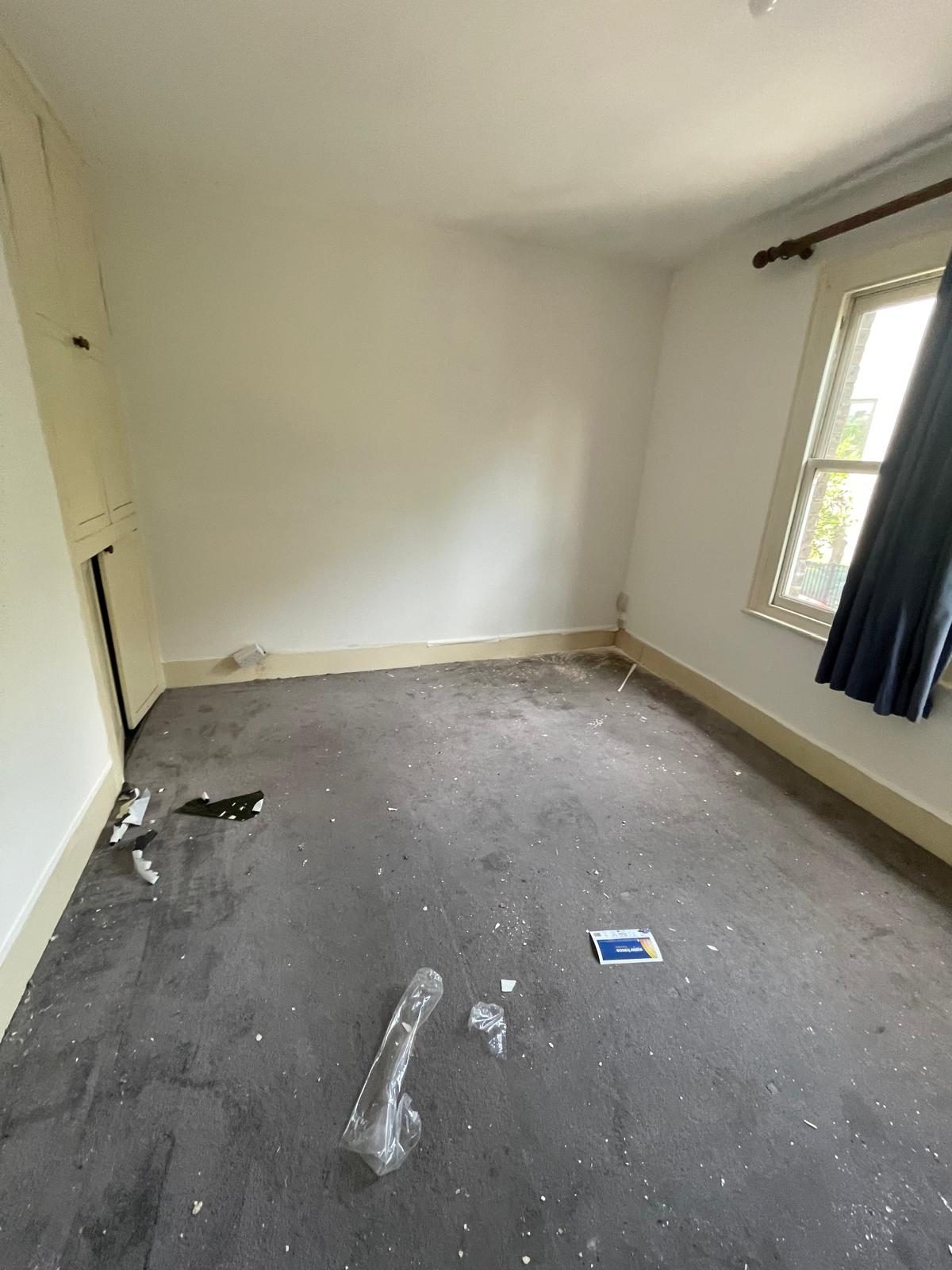
Construction dust does not settle once. It keeps falling for days after the last trade leaves, which is why a single clean at the end of a project almost always fails. We work in three stages instead, and with your contractor's programme rather than after it.
The three stages
Stage one, clearance
- Removal of remaining debris, offcuts, packaging and protective sheeting
- Protective film lifted from glazing, sanitary ware, appliances and ironmongery
- Gross dust removed from floors, sills and horizontal surfaces by filtered extraction
- Stickers, labels and manufacturer's marking removed from every fitted item
Stage two, the builders' clean
- Full filtered vacuum of every surface, working strictly top down
- Plaster and cement residue removed from floors, glass, frames and ironmongery
- Paint spots, grout haze, silicone smears and adhesive residue
- Inside every cupboard, drawer, wardrobe and fitted unit
- Radiators, pipework, extract grilles, trickle vents and light fittings
- Window frames, runners, reveals, sash boxes and shutter recesses
- Appliance interiors; new ovens run through once and cleaned again
Stage three, the final clean
- Carried out as late as the programme allows, after the dust has stopped falling
- Full repeat of all horizontal and high-level surfaces
- Glass and mirrors finished; stone and metalwork brought to final condition
- Floors treated according to surface, sealed where the specification requires it
- Written snag note of anything we find that is a trade's to fix, not ours
On a long project we also offer an interim clean between trades, which keeps dust out of finished rooms and is almost always cheaper than cleaning them twice.
Working to a programme
Most of our after-builders work comes through architects, contractors and project managers rather than directly from households, and we are set up for it. We attend site before the end of the programme, agree the stages against your dates, and confirm in writing what has to be complete before each one.
We carry our own public liability cover and will provide certificates, risk assessments and method statements without being chased. Our teams sign in and out of site like any other trade and work to the site's rules on access, parking and waste.
Where a project is in a listed building (which, across our patch, is most of them) we agree in advance what may be touched. Original plasterwork, timber, glass and ironmongery are cleaned by hand with no abrasive and no solvent, and where a residue will not lift safely, we report it rather than persist.
Extraction, and why it matters here
Construction dust is not ordinary dust. Plaster and cement residues are strongly alkaline and will mark polished stone, lacquered metal and painted timber if they are wiped rather than lifted. Cut masonry, screed and some tiles release respirable crystalline silica, which is a genuine health hazard rather than a nuisance.
Our teams use dust extractors rated to the construction classes under BS EN 60335-2-69 rather than domestic vacuums, and filters are changed on a schedule rather than when performance drops. Dust is extracted, not swept and not blown.
Order matters more here than on any other job. We work strictly top down (ceilings, cornice, high level, joinery, then floors) because a single pass out of sequence means doing the floors twice. Surfaces are dry-extracted before anything wet touches them: wiping construction dust turns it into a slurry that carries into grout, reveals and the grain of unsealed timber.
Nothing abrasive is used on new paint, new stone or original fabric. A new finish is at its most vulnerable in its first weeks, and most of the damage we are called in to correct was done by whoever cleaned before us.
Projects we clean
Whole-house refurbishment. The three-stage programme in full, usually with one or two interim cleans built in.
Basement excavation and conversion. Common across Chelsea and Kensington, and the dustiest work there is. Expect a longer gap between stages two and three.
Listed interiors. Agreed in writing before we start, with original fabric cleaned by hand only.
Single-room, kitchen and bathroom projects. Usually one stage rather than three, quoted accordingly.
Extensions and loft conversions. Where the rest of the house has stayed occupied, and keeping dust out of finished rooms is most of the job.
Questions
Common questions
Why three stages rather than one clean at the end?
Because construction dust keeps falling for days after the last trade leaves, out of ceiling voids, cornice runs and extract grilles. A single clean at the end looks finished for about forty-eight hours.
Do you work directly with our contractor?
Yes, and we prefer to. We attend site before the end of the programme, agree stages against your dates, and confirm in writing what must be complete before each one.
Can you provide insurance and method statements?
Yes. Public liability certificates, risk assessments and method statements are provided as standard, without being chased.
Our house is listed. What will you not touch?
We agree that in writing before starting. Original plasterwork, timber, glass and ironmongery are cleaned by hand with no abrasive and no solvent, and where a residue will not lift safely we report it rather than persist.
How soon after the builders leave can you start?
Stages one and two can begin immediately. Stage three is deliberately held back as late as the programme allows, because that is the point of it.
Coverage
Where we provide this service
North-west
Next step